
John WARD

Asymmetric Pot
Stoneware
18.6 cm high
Impressed JW seal to base
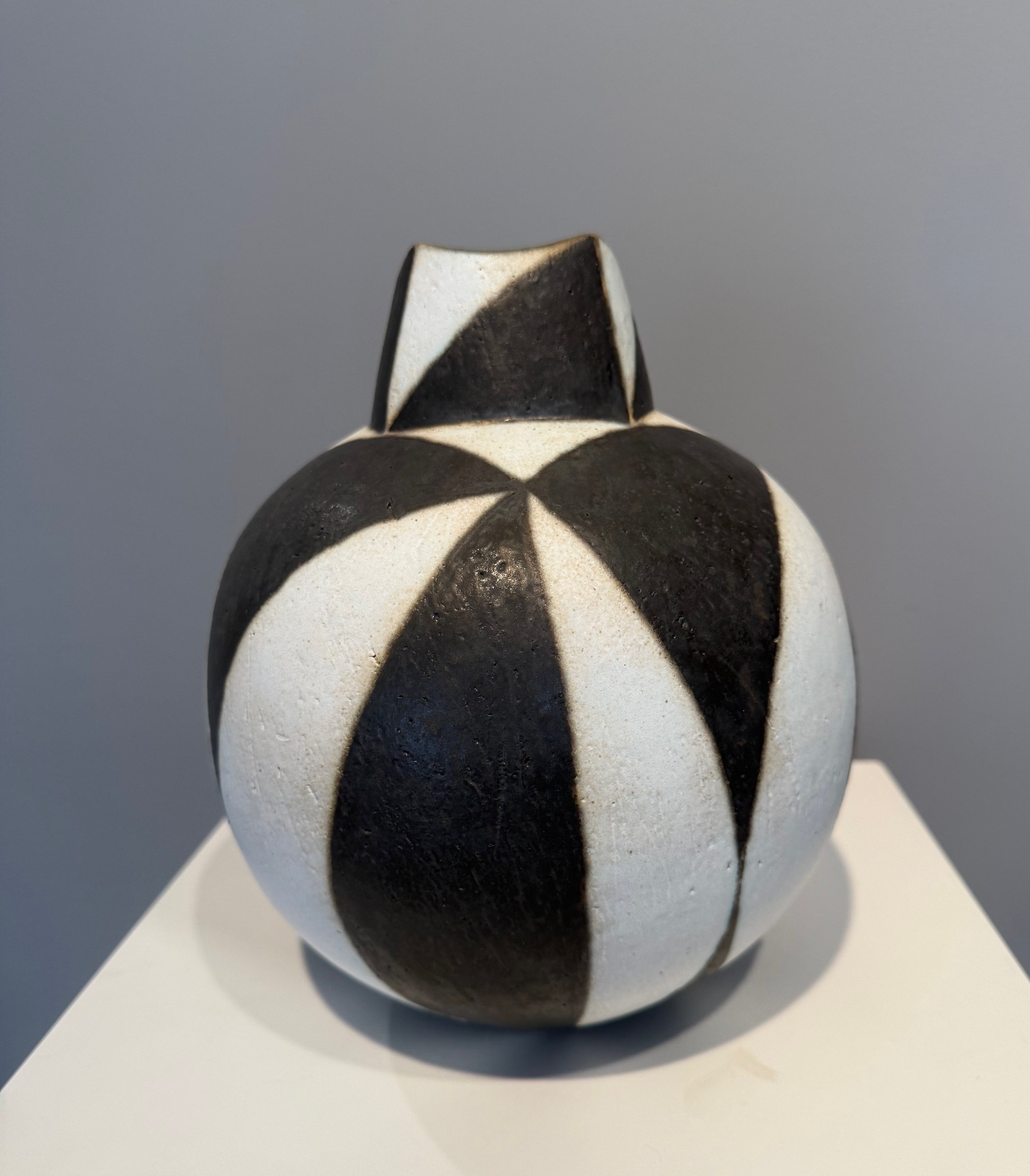
Rounded Pot with Squared Neck, 1997
Stoneware
23.6 cm high
Impressed JW seal to base
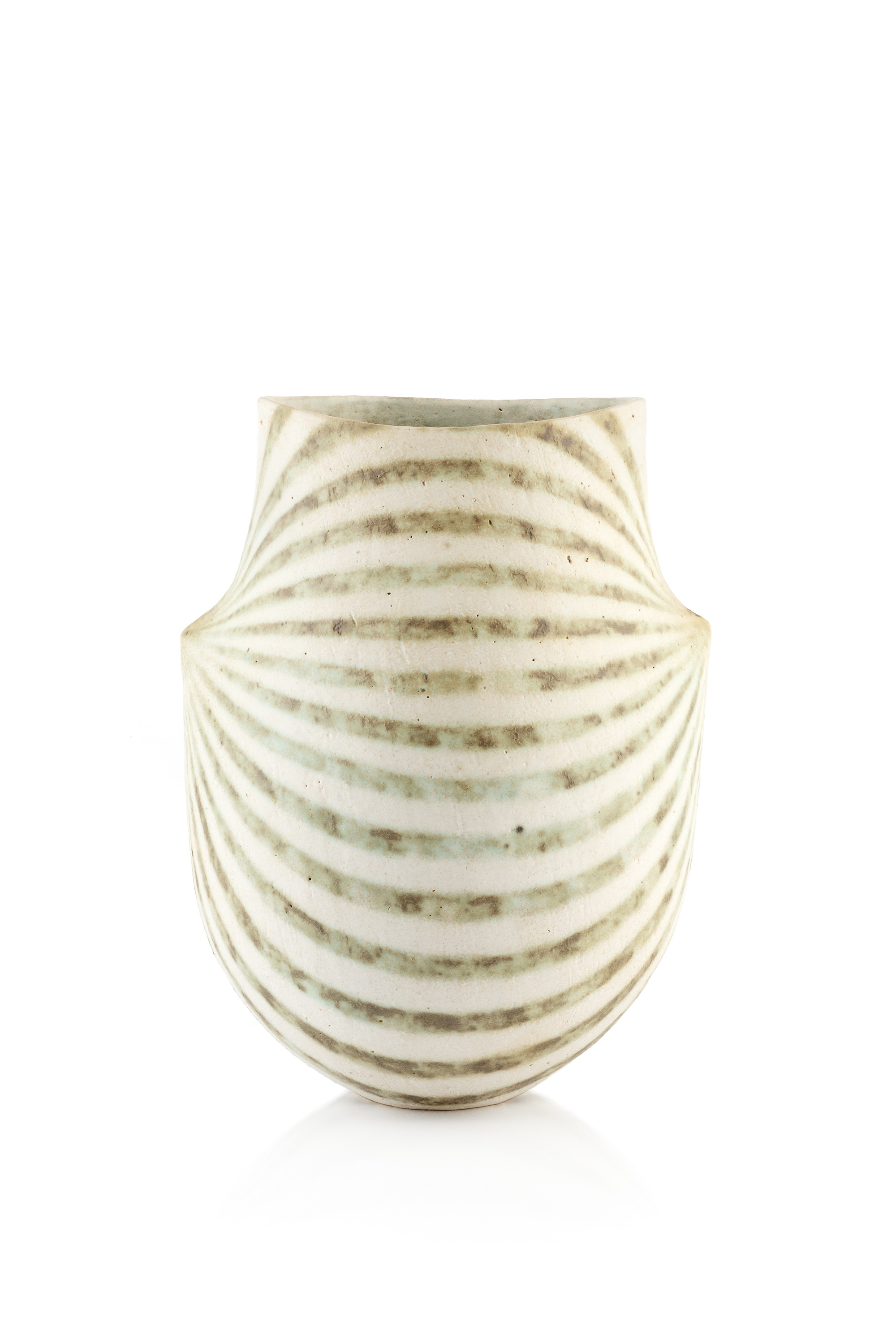
Shouldered Vessel
Stoneware
25 cm high
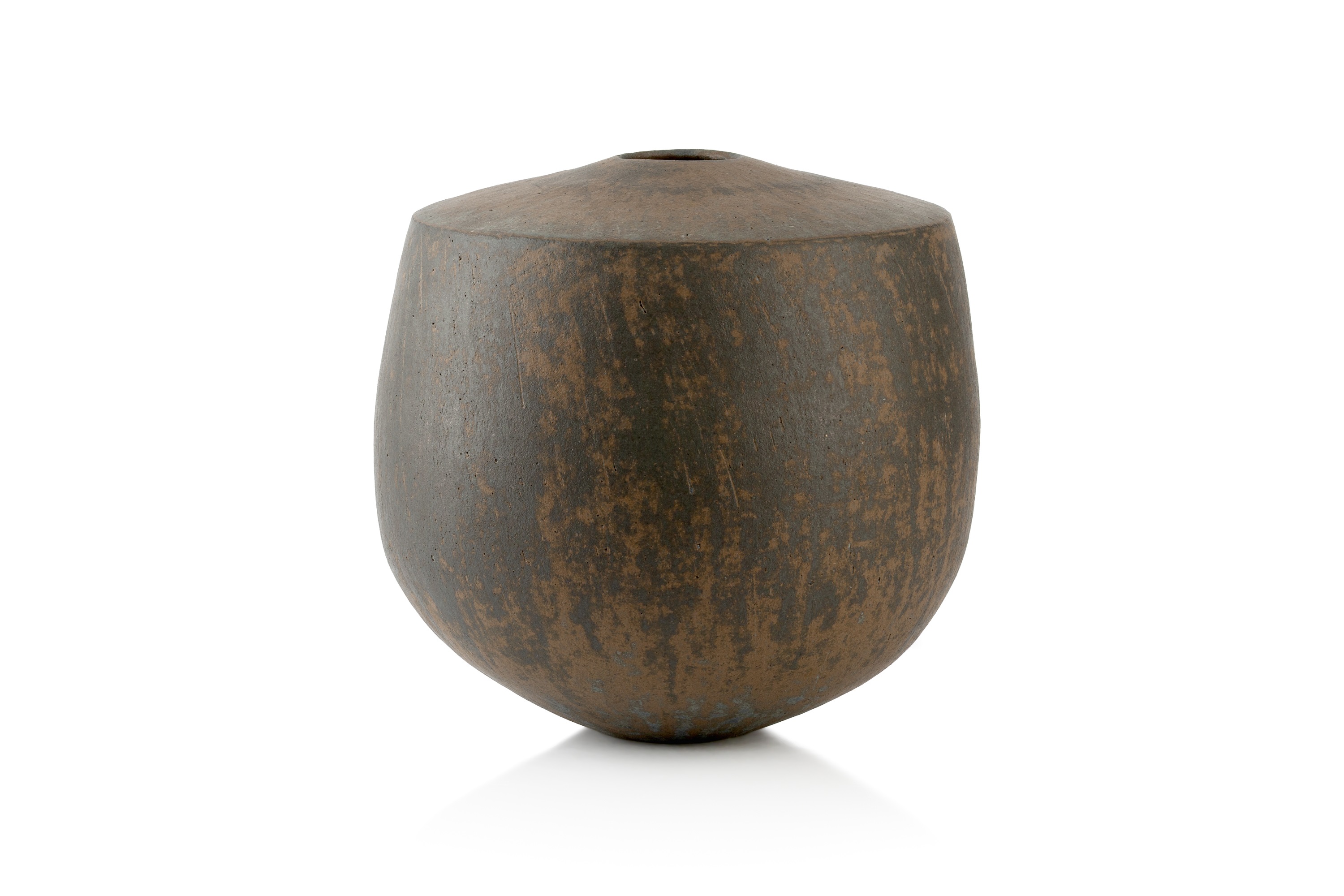
Vessel Mottled Dark Brown Glaze
Stoneware
24.5 cm high
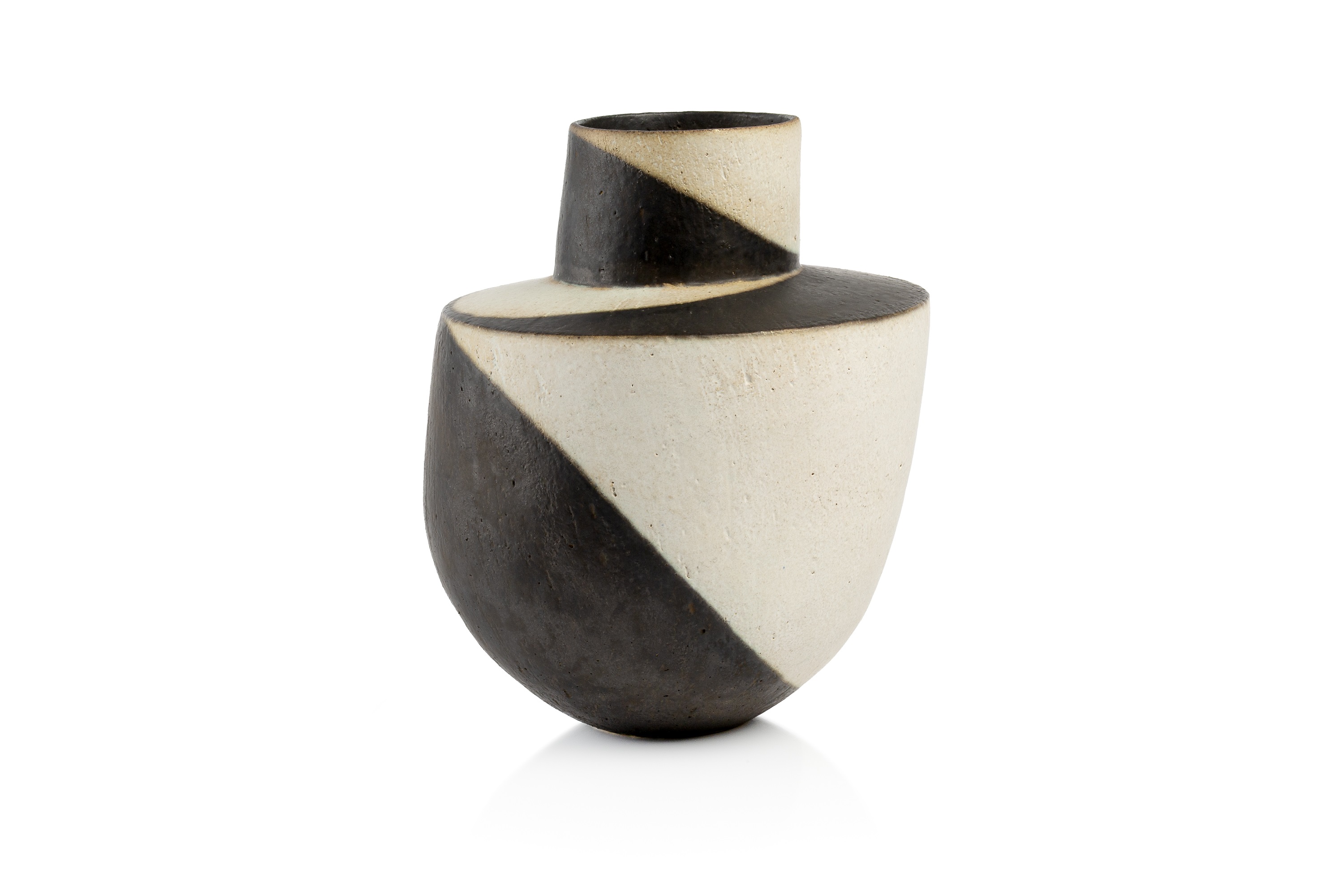
Angular Black and White Vessel
Stoneware
20.5 cm high

Faceted Pot with Cut Rim
Stoneware
16.5 cm high
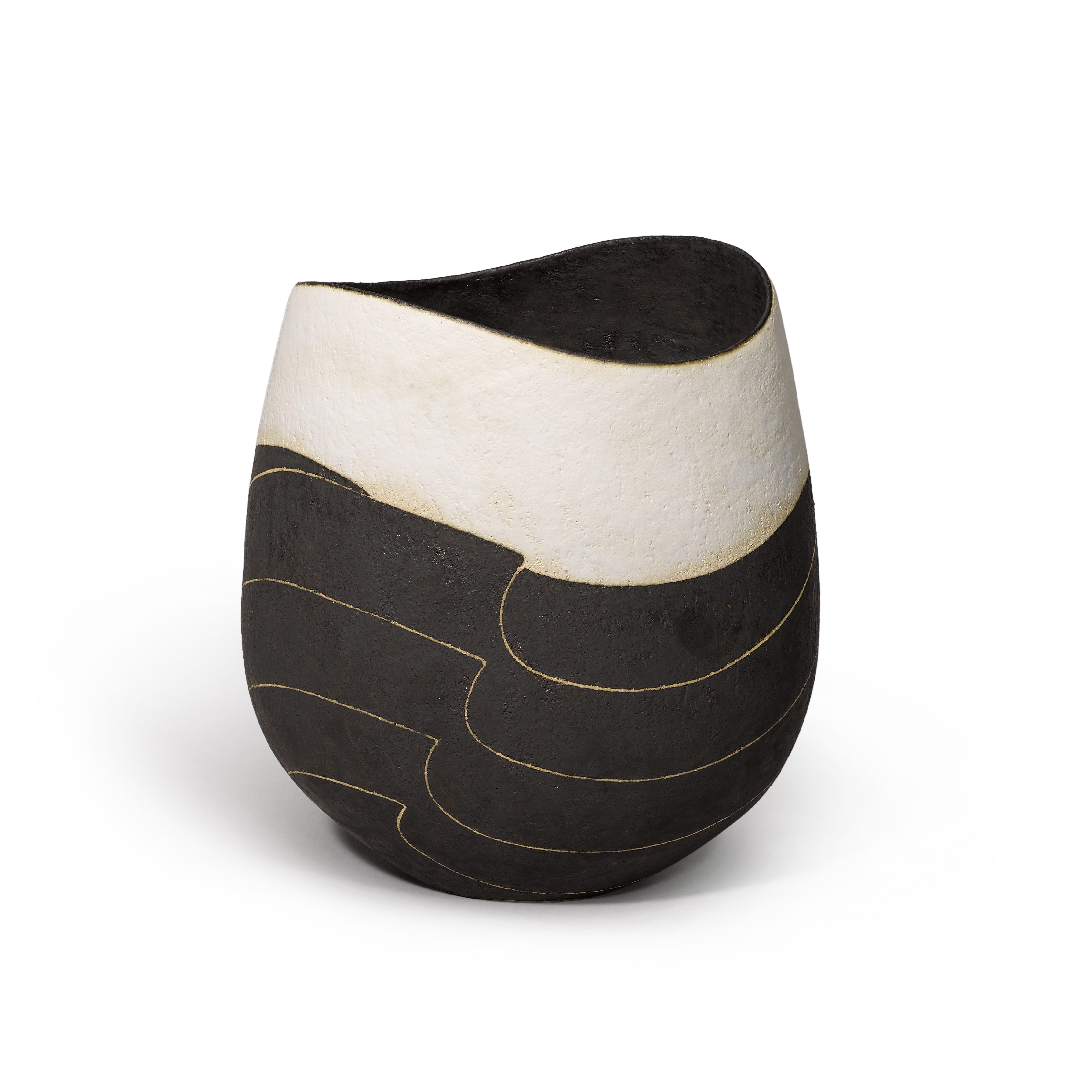
Pot with Geometric Design
Stoneware
22 cm high
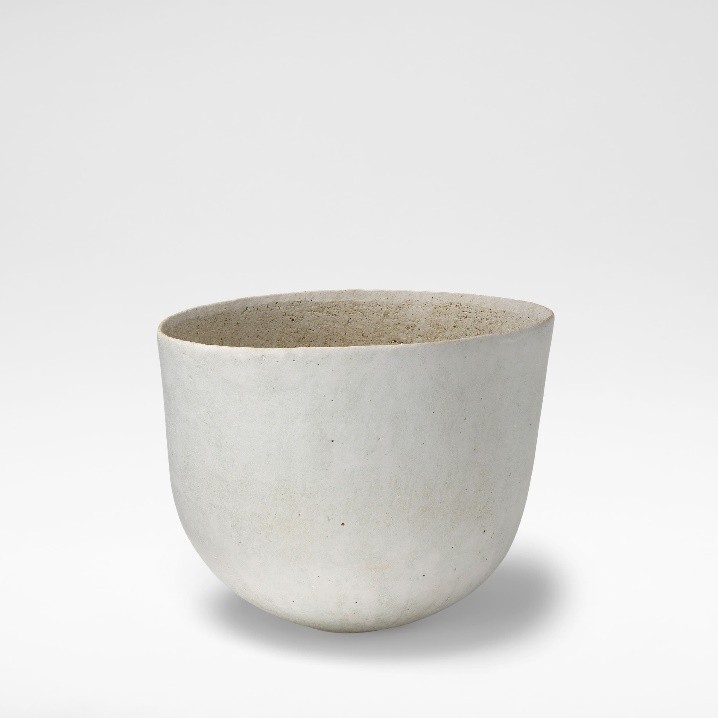
Asymmetrical Bowl, 1990
Stoneware, mottled cream and pale blue glazes over a softly pitted and textured body
19.5 cm high / 23.5 cm wide / 23.2 cm deep
Impressed JW seal to base

High-sided Bowl, 1990
Stoneware, mottled black and brown glazes over a textured body
18.5 cm high / 18.5 cm diameter
Impressed JW seal to base
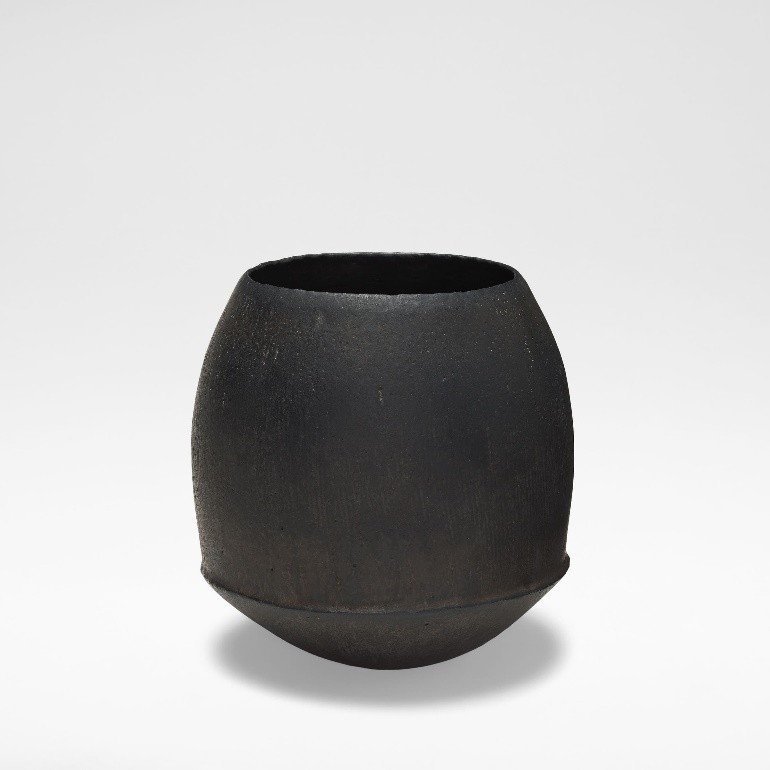
Rounded Vessel, c.1990
Stoneware black textured glaze throughout, the bulbous sides rising from a ridged waist.
17.5 cm high / 16.5 cm diameter
Impressed JW seal to base
JOHN WARD British, 1938-2023
One of Britain’s foremost studio potters, John Ward built up a remarkable body of work characterised by slow, methodical hand-building, and a concern for the sculptural qualities of a pot. His practice focused on the marriage of glaze and form, working within a limited palette of matt glazes and evolving forms to produce subtle variations.
After falling in love with ceramics through evening pottery classes and visits to the British Museum, John Ward started his foundation course at Camberwell School of Arts and Crafts, London at the age of 28. After graduating John Ward taught for some years, before moving to Pembrokeshire and devoting himself full-time to making.
John Ward is recognised as a leading figure in British Studio Ceramics and the publication of Emma Crichton- Miller’s book at the end of 2023 and supported in its publication by the Marak Foundation, The Pottery of John Ward was the first book to survey Ward’s life and work.
John Wards pots with their ‘refinement and otherworldly poise’ have inspired devoted admirers and collectors. His work evokes honed natural forms, the kind of bonier, elemental landscape he lived in since he had moved close to the Welsh coast in 1979.
John Ward is one of a number of significant modern potters to have concentrated on the pared down individual vessel form, most particularly the bowl, as a touchstone for exploration.